Most people know exercise is good for them. Fewer people realize that exercise and addiction recovery are deeply connected — and that physical movement can physically rebuild a brain changed by addiction faster than almost anything else available.
This isn’t motivational language. It’s neuroscience. And if you’ve ever wondered why so many recovery programs now incorporate movement, or why people in recovery talk about exercise the way they do — almost like it saved them — the research explains it in ways that are genuinely striking.
Here’s what’s actually happening in the brain during physical activity, and what it means practically for anyone in recovery or supporting someone who is.
What Addiction Does to the Brain First
To understand why exercise helps, it helps to understand what addiction does first.
When someone develops a substance use disorder, the brain’s reward system gets fundamentally disrupted. Substances flood the brain with dopamine — far more than any natural reward like food, connection, or accomplishment can produce. Over time, the brain adapts by reducing natural dopamine production and decreasing the number of dopamine receptors, essentially trying to compensate for the artificial surges.
The result is a brain that has lost much of its ability to feel pleasure from ordinary life. This is called anhedonia — and it’s one of the most difficult parts of early recovery. The things that used to bring joy simply don’t, and the brain is waiting for the artificial boost it’s been trained to expect.
The prefrontal cortex — responsible for impulse control, decision-making, and long-term thinking — also takes a measurable hit. Research from the National Institute on Drug Abuse shows that chronic substance use reduces levels of brain-derived neurotrophic factor (BDNF) in key brain regions including the hippocampus and prefrontal cortex. BDNF is essentially fertilizer for brain cells — it promotes the growth of new neurons, strengthens existing connections, and supports the formation of new synapses.
Less BDNF means a brain that’s slower to heal and more vulnerable to old patterns pulling it back.
The Link Between Exercise and Addiction Recovery: What’s Actually Happening in the Brain
Physical activity triggers BDNF production — reliably, across exercise types, fitness levels, and ages.
This matters because exercise isn’t just making you feel better in a vague, general sense. It’s providing the brain with the raw material it needs to rebuild the neural pathways that substance use damaged. A systematic review published in Neural Plasticity confirmed that physical exercise produces measurable effects on neuroplasticity and brain function — effects that are particularly relevant during recovery, when the brain is actively trying to heal.
Beyond BDNF, exercise stimulates the release of dopamine, serotonin, endorphins, and norepinephrine — the same neurotransmitters depleted by chronic substance use. Unlike the artificial spikes created by drugs or alcohol, exercise produces gradual, sustainable increases that help recalibrate the brain’s reward system over time. The brain starts to remember that it can produce good feelings on its own.
Exercise also reduces cortisol and activates the parasympathetic nervous system, which directly counters the chronic stress response that often accompanies early recovery. For people who used substances to manage stress, anxiety, or emotional pain, this creates an alternative pathway — one that addresses the underlying need without the consequences.
Regular exercise may reduce drug- and alcohol-seeking behavior after abstinence and may help protect against relapse — though it works best as part of a comprehensive treatment approach rather than a standalone fix.
Best Types of Exercise for Addiction Recovery — and Why Each One Helps
Not all exercise produces identical benefits for recovery, though all movement is better than none. The most effective practices tend to combine physical exertion with elements that engage the mind — creating layered experiences that address both body and brain.
Martial arts and combat sports — boxing, Brazilian jiu-jitsu, wrestling — have emerged as particularly effective, especially for men in recovery. These disciplines demand intense present-moment focus that naturally crowds out rumination about cravings or past mistakes. The structured progression through skill levels provides tangible, earned evidence of growth — a powerful antidote to the shame and helplessness that often accompany addiction. Many programs specializing in men’s drug & alcohol rehab now incorporate martial arts as a core treatment component.
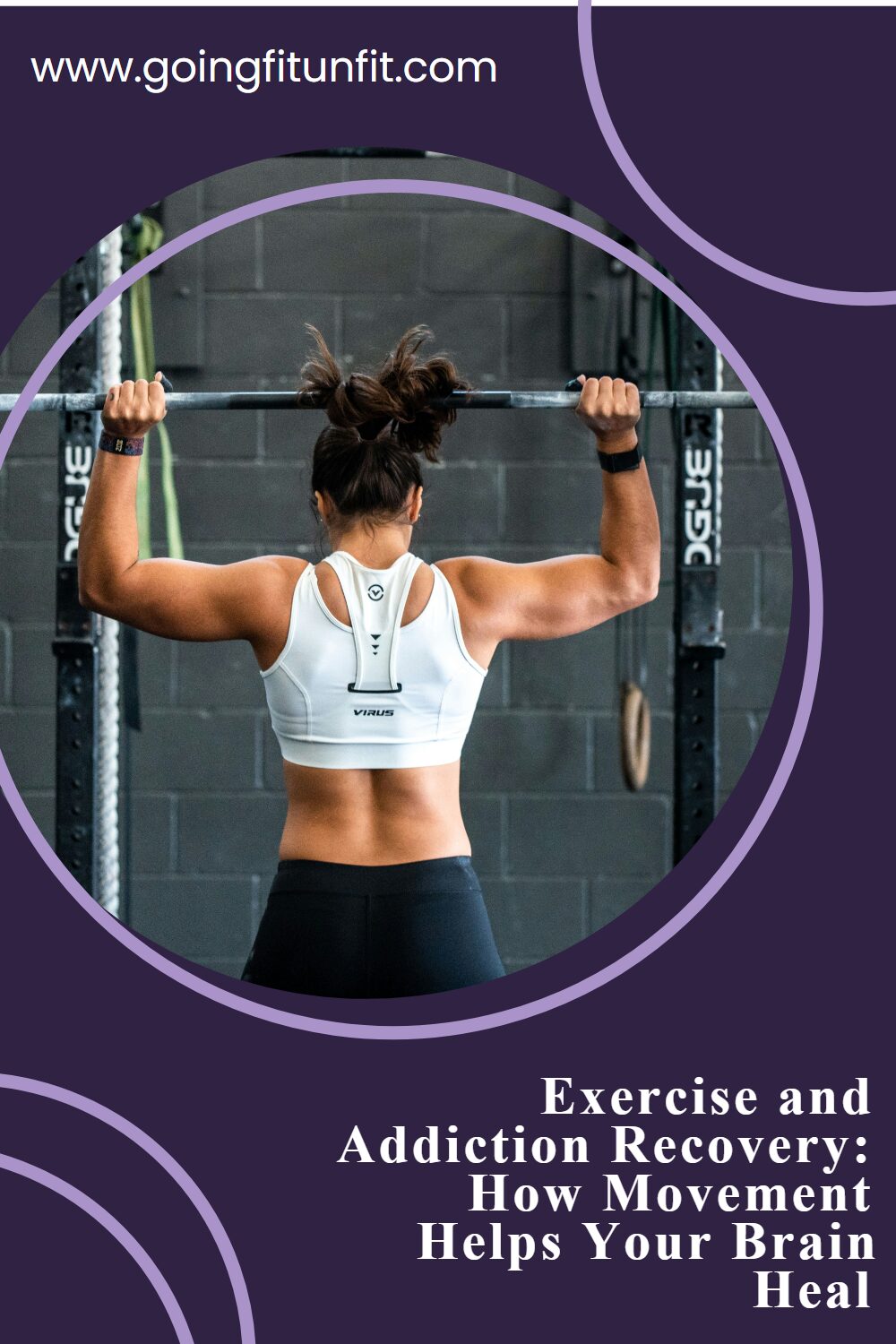
Strength training — lifting weights, squats, resistance work — rebuilds self-efficacy in a way that’s hard to replicate through talk alone. I personally reach for arm weights and squats when I need to feel like I’ve done something concrete and real with my body. There’s something about the measurable nature of it — lifting more than last week, finishing a set you weren’t sure you could — that quietly rebuilds confidence. For someone in recovery whose sense of capability has been eroded, that’s not a small thing.
High-intensity interval training triggers significant endorphin release and creates a natural “high” that demonstrates — experientially, not just intellectually — that the body can still produce pleasurable sensations without substances.
Outdoor activities — hiking, trail running, rock climbing — combine cardiovascular benefits with nature exposure, which research published in Environmental Science & Technology found produces measurable improvements in mood and self-esteem in as little as five minutes. Time in natural environments also creates psychological distance from triggering settings and space for reflection.
Yoga and mind-body practices offer particular benefits for people managing co-occurring anxiety, trauma, or depression alongside recovery. Regular exercise reduces symptoms of both anxiety and depression — two of the most common drivers of relapse.
Why Group Exercise Supports Addiction Recovery in Ways Solo Training Doesn’t
The neurochemical benefits of exercise are real and significant. But the social dimension of group physical activity may matter just as much for sustained recovery.
Addiction is, among other things, an illness of isolation. As substance use escalates, healthy relationships tend to erode. Movement-based group activities create natural opportunities for connection that don’t require the vulnerability of traditional talk therapy — which, for many people, feels like too high a bar in early recovery.
Training alongside others toward shared goals builds accountability in a way that’s different from formal support structures. When someone commits to showing up for a 6 AM workout or a sparring session, they’re accountable to real people who will notice their absence. That web of healthy interdependence replaces the enabling relationships that often surrounded active addiction.
Completing something physically hard alongside others — a difficult hike, a grueling workout, learning a new skill — creates shared experience and genuine camaraderie. For people rebuilding a social world around sobriety, these shoulder-to-shoulder experiences often feel more accessible than face-to-face emotional processing, yet they facilitate real connection.
Cold Exposure: An Emerging Tool Worth Knowing About
I’ll be honest — when I first heard about cold plunges as a recovery tool, my instinct was that I’d cold plunge exactly my face and nothing else. The idea of voluntarily sitting in ice water did not immediately appeal.
But the research is interesting enough that I’ve reconsidered at least the face part.
Cold exposure — ice baths, cold plunges, even cold showers — activates the sympathetic nervous system and triggers a significant release of norepinephrine, a neurotransmitter that supports focus, mood, and stress resilience. Some research suggests regular cold exposure can meaningfully increase baseline dopamine levels, providing a natural boost to the neurotransmitter system that substance use has depleted.
Perhaps more practically useful for recovery: voluntarily entering an uncomfortable situation and choosing to stay present rather than escape builds distress tolerance — the ability to experience discomfort without immediately seeking relief. This directly counters one of the core patterns of addiction. Learning to breathe through the initial shock of cold water and remain present, rather than bolting, is a small but real rehearsal for sitting with cravings or emotional pain without using.
People emerge from cold exposure feeling energized and clear-headed — immediate positive reinforcement for doing something hard. Start with cold showers if full submersion sounds like a hard no. Even a 30-second cold finish to a normal shower produces some of these effects.
When to Start Exercising in Recovery — and How Much Is Actually Enough
Timing and intensity matter, particularly in early recovery.
During medical detoxification, gentle movement — walking, light stretching — is most appropriate if cleared by a medical provider. Pushing too hard during this phase can stress an already taxed system. Alcohol withdrawal in particular can be medically serious, and exercise is not a treatment for it. Anyone going through alcohol withdrawal should be under medical supervision.
As people move into residential or intensive outpatient treatment, gradually increasing exercise intensity supports the brain’s healing process without overwhelming it. Starting with 20–30 minutes of moderate activity most days provides substantial neurochemical benefits without requiring a high baseline fitness level.
Consistency matters more than intensity. A sustainable routine of regular, moderate exercise produces more lasting benefits than sporadic intense workouts. Small, consistent actions compound into significant change over time — which is true of recovery in general.
Why Starting Exercise in Recovery Feels Hard — and How to Get Past It
Physical deconditioning. Many people in early recovery are starting from a low fitness baseline. The antidote is measuring progress against your own starting point — not anyone else’s.
Depression and low motivation. The cruel irony is that movement would help, but the symptoms make starting feel impossible. External structure helps more than willpower here: scheduled activities, a training partner, or programs that make movement a built-in expectation.
Past negative experiences with exercise. School PE, competitive sports, or gym culture that felt humiliating can create lasting resistance. Reframing movement as personal practice rather than performance helps. Find what feels good rather than what you think you should do. Someone who hates running might love swimming, dancing, or — as I’ve discovered — a solid set of squats when the day has been a lot.
Not knowing where to start. Honestly, this is where most of us are. I keep meaning to add more structured movement to my own routine and haven’t fully gotten there yet. If that’s you too — start smaller than feels meaningful. Ten minutes of walking counts. It actually does.
How to Build a Sustainable Exercise Routine During Recovery
The most effective movement practice is one you’ll actually maintain. Choose activities you genuinely like. Schedule movement at consistent times so it becomes automatic. Track progress — looking back at where you started is one of the most motivating things you can do when current progress feels slow.
And celebrate milestones: a first 5K, a new personal record, a belt promotion in martial arts. These deserve real recognition — not just an internal nod and moving on to the next thing.
Integrating movement into daily life rather than treating it as a separate “workout” also increases sustainability. Walking instead of driving short distances, taking stairs, doing bodyweight exercises during work breaks — small actions accumulate into significant benefits while requiring less willpower than formal sessions.
What Exercise Does for Recovery Long-Term — Beyond the Early Weeks
The brain’s capacity to heal is real. Neuroplasticity means the pathways that addiction carved can be rebuilt, redirected, and replaced — and physical movement is one of the most powerful inputs available for that process.
It’s not magic. It’s not a replacement for treatment. But for people committed to recovery — and for the families watching and hoping alongside them — developing a consistent movement practice may be one of the most tangible investments in a healthier future.
And if cold plunges are involved, starting with just your face seems like a reasonable compromise.
Frequently Asked Questions: Exercise and Addiction Recovery
Does exercise actually help with addiction recovery?
Yes — research supports exercise as a meaningful complement to addiction treatment. Physical activity stimulates BDNF production, restores neurotransmitter balance, reduces cortisol, and improves mood. Preliminary research also suggests regular exercise may help protect against relapse, though it works best as part of a comprehensive treatment approach rather than a standalone intervention.
What is the best exercise for addiction recovery?
There’s no single best exercise — the most effective practice is one you’ll maintain consistently. Activities that combine physical exertion with present-moment focus (martial arts, yoga) or that build community (group fitness, team sports) tend to offer layered benefits. Aerobic exercise reliably raises BDNF levels; strength training rebuilds self-efficacy; outdoor activities reduce stress through nature exposure.
Can exercise replace addiction treatment?
No. Exercise is a powerful complement to treatment — not a replacement for it. Medical detox, therapy, peer support, and in many cases medication-assisted treatment remain the evidence-based foundations of recovery. Movement supports and accelerates the brain’s healing, but it works best alongside professional care.
When can someone in recovery start exercising?
During medical detox, gentle movement like walking is appropriate if cleared by a medical provider. More structured exercise becomes beneficial as someone transitions into residential or outpatient treatment. Anyone going through alcohol withdrawal specifically should be under medical supervision before attempting any exercise program.
How much exercise is needed to see benefits in recovery?
Research suggests 20–30 minutes of moderate aerobic activity most days produces meaningful neurochemical benefits. Consistency matters more than intensity — a sustainable routine of regular moderate exercise outperforms sporadic intense workouts over time.
Is cold exposure safe in recovery?
For most people in stable recovery, deliberate cold exposure is generally safe and some research supports meaningful norepinephrine and dopamine benefits. Anyone with cardiovascular conditions should check with a doctor first. During or immediately after detox, stick to gentle movement until medically cleared. And starting with a cold shower rather than a full ice bath is a completely valid place to begin.
W
This article is for informational purposes only and does not constitute medical advice. If you or someone you know is struggling with substance use, please reach out to a healthcare provider or call SAMHSA’s National Helpline at 1-800-662-4357 (free, confidential, 24/7).
Kaye is a mother of two boys who is on a mission to improve her physical and mental well-being. With a passion for trying new beauty products and stacking her supplement intake, Kaye is always eager to discover new ways to enhance her lifestyle.














Leave a Reply