You already know stress doesn’t feel good. But there’s a difference between knowing stress is unpleasant and understanding that it’s physically reshaping your brain in ways that make everything harder — your memory, your mood, your decision-making, even your ability to feel calm.
That’s not a metaphor. That’s neuroscience. And if you’ve been living under a long stretch of relentless pressure, some of what you’ve been chalking up to personality quirks or “just being tired” may actually be your brain responding to a threat load it was never designed to carry indefinitely.
The good news is that your brain isn’t fragile. It’s remarkably adaptable — and the same plasticity that allows chronic stress to change it also allows those changes to be reversed. Understanding what’s actually happening is the first step toward doing something about it.
Why Your Brain Treats Email Like a Predator
Your stress response system is ancient. It evolved to help you survive immediate physical threats — the kind that required you to either fight or run. When danger appeared, your body flooded with cortisol and adrenaline, your senses sharpened, and your muscles primed for action. When the threat passed, the system reset.
The problem is that your brain can’t distinguish between a charging predator and a difficult conversation with your boss. It responds to both with the same neurochemical cascade. And in modern life, that cascade rarely gets a chance to fully reset — because the stressors are constant, abstract, and don’t end when you walk away from them.
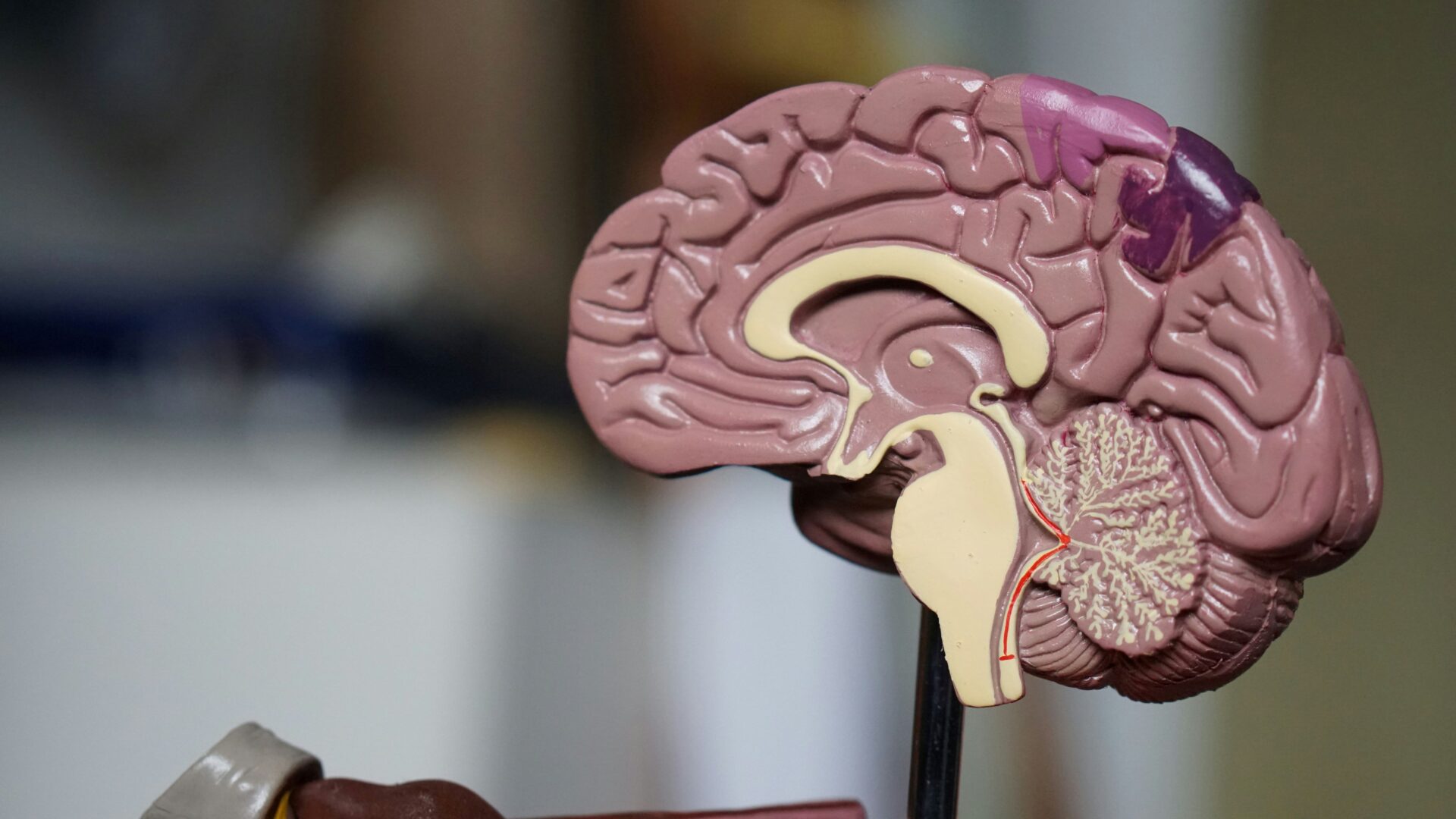
When that stress response stays activated week after week, month after month, the continuous flood of stress hormones doesn’t just keep you tense — it begins to physically restructure your brain. Three regions take the hardest hit: your hippocampus, your amygdala, and your prefrontal cortex. Each one changes in ways that create problems you’ve almost certainly been experiencing without knowing why.
Your Hippocampus: Why You Keep Walking Into Rooms and Forgetting Why
Your hippocampus is the part of your brain responsible for learning, memory formation, and making sense of new information. It’s also, unfortunately, exquisitely sensitive to cortisol.
When cortisol floods your system repeatedly over weeks and months, it damages hippocampal neurons. Research has shown that people experiencing chronic stress have measurably smaller hippocampal volume compared to their less-stressed counterparts — and that structural change shows up as functional problems in daily life.
Have you been forgetting names moments after being introduced? Reading the same paragraph three times and retaining nothing? Walking into a room with a clear purpose and arriving with no memory of what it was? These aren’t early signs of dementia or inevitable aging. They’re often a stressed hippocampus signaling that it’s overwhelmed.
Here’s the hopeful part: your hippocampus is one of the only brain regions capable of growing new neurons throughout your entire life — a process called neurogenesis. When chronic stress is reduced and you engage in brain-supportive behaviors, your hippocampus can recover. The damage isn’t permanent, but it does require intentional intervention.
Your Amygdala: The Smoke Detector That Won’t Stop Going Off
While chronic stress shrinks your hippocampus, it does the opposite to your amygdala — the part of your brain that processes fear, threat, and emotional reactions. Under prolonged stress, your amygdala grows larger and forms more neural connections, becoming hypersensitive to anything it perceives as a potential danger.
Think of it as a smoke detector that’s been recalibrated to go off at the faintest whiff of anything — not just smoke, but steam from your coffee, the smell of toast, the distant sound of someone opening a window. Everything triggers an alarm.
This is why chronic stress makes you emotionally reactive in ways that feel embarrassing or out of proportion. A colleague’s neutral comment lands like criticism. Your partner’s innocent question sounds like an accusation. A small traffic delay triggers a disproportionate surge of rage. Your threat-detection system has been sensitized to see danger everywhere, keeping you in a near-constant state of defensive arousal — even when nothing is actually wrong.
The amygdala’s growth under stress also strengthens its connections to the brain regions involved in habit formation and automatic behavior. This is a significant reason why stress so reliably drives people toward unhealthy coping mechanisms — whether that’s emotional eating, excessive drinking, doomscrolling, or other behaviors that offer temporary relief while creating longer-term problems. The brain is literally wiring itself toward quick escapes from discomfort.
Your Prefrontal Cortex: When the Rational Part of Your Brain Goes Offline
Your prefrontal cortex — the region right behind your forehead — is your brain’s executive command center. Rational thinking, planning, impulse control, emotional regulation: this is where all of that lives. When it’s functioning well, your prefrontal cortex acts like a calm, wise supervisor who can step in when your amygdala panics and say, “Actually, let’s think about this.”
Chronic stress weakens the prefrontal cortex in two ways. First, sustained cortisol exposure causes the neural connections within this region to retract, reducing its processing capacity. Second, stress redirects blood flow and resources away from the prefrontal cortex and toward more primitive survival-focused brain regions. Your brain essentially decides that careful rational analysis is a luxury it can’t afford when it believes you’re under constant threat.
You feel this as difficulty concentrating, poor impulse control, and decision fatigue. Tasks that normally require focused thought — writing, problem-solving, difficult conversations — become exponentially harder. You procrastinate more. You make impulsive choices you immediately regret. You snap at people you love and can’t quite explain why.
And here’s the vicious cycle: a weakened prefrontal cortex struggles to calm the overactive amygdala, which generates more emotional reactivity, which creates more stress, which further impairs prefrontal function. Left unaddressed, these systems reinforce each other in a direction that makes everything worse.
It Doesn’t Stay in Your Head: The Physical Toll
Chronic stress doesn’t stay contained in your brain — it travels. Your brain and body communicate constantly through hormonal pathways and the nervous system, and the neurological effects of chronic stress translate directly into physical symptoms that are easy to misattribute to other causes.
Elevated cortisol suppresses immune function, making you more susceptible to colds and infections and slowing wound healing. It promotes systemic inflammation that contributes to cardiovascular disease, digestive disorders, and autoimmune conditions. It disrupts your gut microbiome in ways that affect digestion and, through the gut-brain axis, mood itself.
Sleep suffers significantly. Elevated nighttime cortisol prevents the deep, restorative sleep stages your brain needs to clear metabolic waste and consolidate memories. Poor sleep intensifies the stress response, which further disrupts sleep — another cycle that feeds itself.
Chronic pain also worsens under stress as your nervous system becomes more sensitive to pain signals. Muscle tension creates tension headaches, back pain, and jaw issues. Your cardiovascular system works harder than it should. None of this is inevitable, but it does require addressing the stress load rather than just managing the downstream symptoms.
Recognizing Your Own Stress Signals
Chronic stress doesn’t look identical for everyone. Some people feel it primarily in their body. Others notice cognitive changes first. Developing awareness of how stress personally shows up for you — your specific signature — helps you catch it earlier, before it becomes entrenched.
Watch your sleep. Lying awake with racing thoughts, waking frequently, or dragging yourself through the day despite spending enough time in bed are early warning signs that acute stress has shifted into chronic.
Notice your emotional baseline. More irritable than usual? Losing interest in things you normally enjoy? Small frustrations triggering big reactions? These aren’t character flaws — they’re neurological signals from an amygdala that’s been running hot for too long.
Pay attention to cognitive changes. Forgetting appointments, losing your train of thought mid-sentence, struggling to focus on work that normally comes easily — these are signs of hippocampal stress and prefrontal impairment, not laziness or lack of discipline.
Track physical patterns. Frequent headaches, digestive issues, muscle tension that doesn’t resolve, getting sick more often than usual — your body is often sounding the alarm before your conscious mind has fully registered how much you’re carrying.
What Actually Helps: Evidence-Based Ways to Reverse Stress’s Effects
The most important thing to know is that these brain changes are not permanent. Neuroplasticity — your brain’s ability to reorganize and form new connections — continues throughout your entire life. The same mechanism that allowed stress to reshape your brain can be harnessed to reshape it back. What it requires is consistency, not perfection.
Exercise — especially aerobic movement — is one of the most powerful interventions available. Physical activity increases production of BDNF (brain-derived neurotrophic factor), a protein that promotes neurogenesis in the hippocampus and strengthens prefrontal cortex function. It also directly metabolizes stress hormones, reducing their cumulative impact. The target is at least 150 minutes of moderate activity per week, but even short movement breaks scattered through your day make a real difference.
Mindfulness meditation directly counteracts stress’s brain effects by strengthening prefrontal activity and reducing amygdala reactivity. Research has shown that eight weeks of regular practice produces measurable structural changes in the brain. You don’t need to be an experienced meditator — ten minutes of daily focused breathing is enough to begin creating positive neurological shifts. The practice gradually builds your capacity to observe a stress response without immediately reacting to it.
Sleep is not optional. During deep sleep, your brain clears accumulated metabolic waste, consolidates memories, and resets its stress response systems. Consistent sleep and wake times — even on weekends — are more impactful than most people realize. A cool, dark room and a technology curfew at least an hour before bed help protect the deep sleep stages stress most commonly disrupts. If racing thoughts are the problem, try writing them down before bed — it signals to your brain that the information has been captured and doesn’t need to be held in active memory.
Social connection is a genuine neurological buffer against stress, not just emotional comfort. Quality relationships trigger oxytocin release, which counteracts cortisol and helps regulate amygdala activity. Even brief positive interactions — a real conversation with a friend, time with a pet, physical affection with someone you love — can shift your nervous system from stressed vigilance to relaxed engagement.
Nutrition matters more than most stress articles acknowledge. Omega-3 fatty acids (found in fatty fish, walnuts, and flaxseeds) support healthy brain cell membranes and reduce inflammation. B vitamins play critical roles in neurotransmitter production and stress hormone regulation. Magnesium, which is frequently depleted under chronic stress, supports nervous system function and sleep quality. Minimizing processed foods, excess sugar, and late-day caffeine reduces the blood sugar volatility and cortisol spikes that compound stress’s effects.
When to Reach Out for Professional Support
Self-care strategies address a lot — but not everything. Some situations require more than lifestyle adjustments, and recognizing that isn’t a sign of weakness. It’s a sign of paying attention.
When daily life starts feeling unmanageable — whether that looks like panic attacks, relying on substances to get through the day, or thoughts of self-harm — talking to a mental health professional is the right next step. Therapists trained in cognitive-behavioral approaches can help you identify the thought patterns amplifying your stress response and build more adaptive ones. That’s not just talking about problems; it’s literally training your prefrontal cortex to do its job better.
Don’t let cost concerns become a barrier. Many therapists offer sliding scale fees, most health insurance plans cover mental health services, and community mental health centers provide care regardless of ability to pay. If substance use has become part of the picture, it helps to know that many treatment facilities have financial counselors to help navigate coverage and costs — and taking a few minutes to verify insurance coverage upfront can remove one of the biggest practical barriers to getting help.
Support groups — whether focused on stress, specific life challenges, or general wellness — also provide something that individual therapy doesn’t always: the grounding knowledge that you’re not alone, and the practical wisdom of people who’ve found their own way through.
Your Brain Can Change — And You’re the One Who Changes It
Here’s the reframe that tends to actually stick: you’re not trying to eliminate stress. Stress is an inevitable feature of a full, engaged life. What you’re doing is changing how your brain responds to it — building the kind of resilience where challenges don’t rewrite your brain’s architecture because your recovery systems are strong enough to handle them.
Every genuinely helpful choice you make — a workout, a good night’s sleep, ten minutes of stillness, a real conversation — contributes to that recovery. These things don’t feel dramatic in the moment. But they compound over time, the way small deposits build into something significant.
Your brain is constantly changing. The only question is whether you’re giving it what it needs to change in a direction that serves you.
Start with one thing. Just one. Give it 30 days. Then add another.
That’s not an oversimplification — that’s how neuroplasticity actually works.
Frequently Asked Questions: How Chronic Stress Affects the Brain
Can chronic stress cause permanent brain damage?
Chronic stress causes measurable structural changes in the brain — particularly in the hippocampus, amygdala, and prefrontal cortex — but “permanent” overstates it for most people. Research consistently shows that these changes can be reversed with reduced stress and brain-supportive behaviors like exercise, sleep, and mindfulness. The brain retains neuroplasticity throughout life.
How long does it take to recover from chronic stress brain effects?
It varies significantly based on how long the stress has been present and what interventions are being used. Some studies show measurable changes in brain structure after as little as eight weeks of consistent mindfulness practice. Full recovery from prolonged chronic stress typically takes months of consistent effort. Progress is often nonlinear — expect good weeks and harder weeks.
What does chronic stress do to memory specifically?
Chronic stress primarily impacts the hippocampus, which is responsible for forming and consolidating new memories. The most common effects are difficulty retaining new information, forgetting names or details shortly after learning them, and struggling to concentrate while reading or learning. These effects are often reversible when stress is reduced.
Is anxiety the same as chronic stress?
They overlap significantly but aren’t identical. Chronic stress is typically tied to external pressures and tends to resolve when those pressures do. Anxiety is more of an internal state that can persist even when external stressors are removed. Chronic stress can trigger or worsen anxiety disorders by sensitizing the amygdala over time. If anxiety is significantly interfering with daily life, professional evaluation is worthwhile.
What’s the fastest way to calm a stress response in the moment?
Slow, deep breathing — specifically extending the exhale longer than the inhale — activates the parasympathetic nervous system and can reduce cortisol within minutes. This works because the breath is one of the few physiological processes you can consciously control, giving you direct access to your autonomic nervous system. It doesn’t solve chronic stress, but it genuinely interrupts an acute stress response.
Kaye is a mother of two boys who is on a mission to improve her physical and mental well-being. With a passion for trying new beauty products and stacking her supplement intake, Kaye is always eager to discover new ways to enhance her lifestyle.















Leave a Reply